
February 2026
Darkness cannot drive out darkness; only light can do that.
Hate cannot drive out hate; only love can do that.”
~ Martin Luther King Jr.
Welcome to February’s edition of the Buzz from the Hub! As we move forward together this month, let’s take time to honor and celebrate what makes each of us unique. May we be guided by hope for what’s possible, committed to peace in our community, and grounded in the everyday acts of love that help us all grow and thrive.
In this issue of the Buzz from the Hub you’ll find the following resources:
- GAO report on Assistive Technology Challenges and Resources in Selected School Districts and Schools
- Five OSEP funded Centers Focused on Very Young Children with Disabilities
- Resources to help educators celebrate Black History month
- Supporting Families to Encourage Student Growth through Self-Determination
- Healthcare Transition and Medical Self-Advocacy
- Our new CPIR Resource Center page
Finally, don’t miss the upcoming virtual events in the Upcoming Events section.
Best wishes and happy reading,
The CPIR Team
Featured Resource!
STUDENTS WITH DISABILITIES: Assistive Technology Challenges and Resources in Selected School Districts and Schools
The Individuals with Disabilities Education Act (IDEA) requires that all children with disabilities receive a free appropriate public education. Under IDEA, assistive technology must be considered for students receiving special education services. Little is known about how this requirement is implemented locally.
The US Government Accountability Office (GAO) interviewed staff from state and regional education agencies, eight school districts, and eight schools. In addition, GAO interviewed the Center for Parent Information and Resources (CPIR) and conducted a web-based survey of all 93 Parent Centers.
Following are the final reports:
- Full report: https://www.gao.gov/products/
gao-26-107506 - One-page summary: https://www.gao.gov/assets/
gao-26-107506-highlights.pdf

Shareable Resources
Early Childhood |
The Five Centers Focused on Very Young Children with Disabilities
Concerned about the development and well-being of a young child with disabilities, birth to 5? There are five key Early Childhood Centers funded by the Office of Special Education Programs (OSEP) to address the needs of, and improve results for, our very young children with disabilities.
Learn more and visit the websites of the five centers here.

Education |
Black History Month Resources
In honor of Black History Month, explore this collection of resources designed to help educators integrate African American history, culture, and contributions into their classrooms.
- Black History Month Lessons & Resources: Bring African-American culture & history into your curriculum | NEA
All people, regardless of race or place, deserve the same rights and freedoms. To help students understand the reality of Black people’s experiences in American history, their impact on American culture, and to celebrate their achievements, the National Education Agency (NEA) compiled a selection of lesson plans that cover a variety of subjects that can be adapted to fit multiple grade levels.
https://www.nea.org/professional-excellence/ student-engagement/tools-tips/ black-history-month-lessons- resources - Black History Month Resources | PBS LearningMedia
Learn about Black History Month resources from PBS LearningMedia to use in your in-person or online classroom.
https://www.ninepbs.org/blogs/education/black-history- month-resources-pbs- learningmedia/ - Honoring Black Americans’ Cultural Heritage | Britannica Education
Use this specially curated collection of impactful learning materials to help your students recognize and reflect on Black Americans’ rich cultural heritage, triumphs, and adversities throughout history and into the modern era.
https://pages.britannicaeducation.com/black- history-month-hub - Free Learning Resources for Black History Month (And Beyond) | Common Sense Education
Help learners celebrate Black history with these videos, lessons, podcasts, and more.
https://www.commonsense.org/education/articles/free- learning-resources-for-black- history-month-and-beyond

Youth |
Supporting Families to Encourage Student Growth through Self-Determination
This brief from the RAISE Center and TransCen, Inc explains the importance of fostering self-determination in students with disabilities and offers practical strategies for family advocates and professionals to support families in helping students build decision-making and autonomy skills.

Young Adults |
Healthcare Transition and Medical Self-Advocacy
When young people turn 18, a lot happens. Adult responsibilities and decisions can feel scary and confusing for the unprepared. Becoming responsible for medical care is part of growing up, and that process is so critical that there’s a specific name for it: healthcare transition. PAVE in Washington developed a video on health care transition and self advocacy that shares perspectives of young people with disabilities.
Click here to watch the video.

Parent Leadership |
CPIR Resource Center
Have you checked out the new CPIR Resource Center? The resource center is a collection of curated tools to support families, caregivers, self-advocates or educators, by providing information about rights, services, best practices, leadership development, systems navigation and more. Make it your go-to place for materials to support informed decision-making and building strong collaborative connections

Upcoming Events
Strengthening School Supports for Kinship Caregivers and Grandfamilies Summit
In this free two-day summit hosted by Regional Educational Laboratory Appalachia, experts and state and organizational leaders will share research-and evidence-based strategies to support students living with kinship caregivers and in grandfamilies. Participate in a series of presentations, panel discussions, and interactive breakout sessions on topics such as the challenges for kinship caregivers and grandfamilies; family engagement, communication, and relationship-building; student attendance issues; and community partnerships.
When: Wednesday, February 25 (11:30 – 3:30 PM EST)
Thursday, February 26 (12:30 – 3:45 PM EST)
Read more about the summit and register here.

Augmentative and Alternative Communication (AAC) for Life: Pathways to Independence and Connection for Autistic Teens and Adults
TASK and Autism Speaks have jointly created a new webinar and an Augmentative and Alternative Communication (AAC) Guide for Autistic Teens and Adults, which will be released in late March or early April. The webinar will explore how Augmentative and Alternative Communication (AAC) serves as a vital pathway to independence and social connection for autistic teens and adults.
When: March 23, 2026
Time: 1:00-2:30 PM EDT
Learn more about this event and register here.

the Hub Central Event Calendar
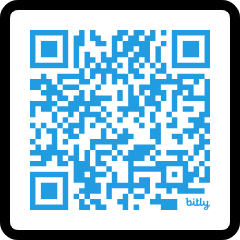
This e-Newsletter from the CPIR is copyright-free. We encourage you to share it with others. Scan our QR Code or click here to sign up to receive the Buzz from the Hub!